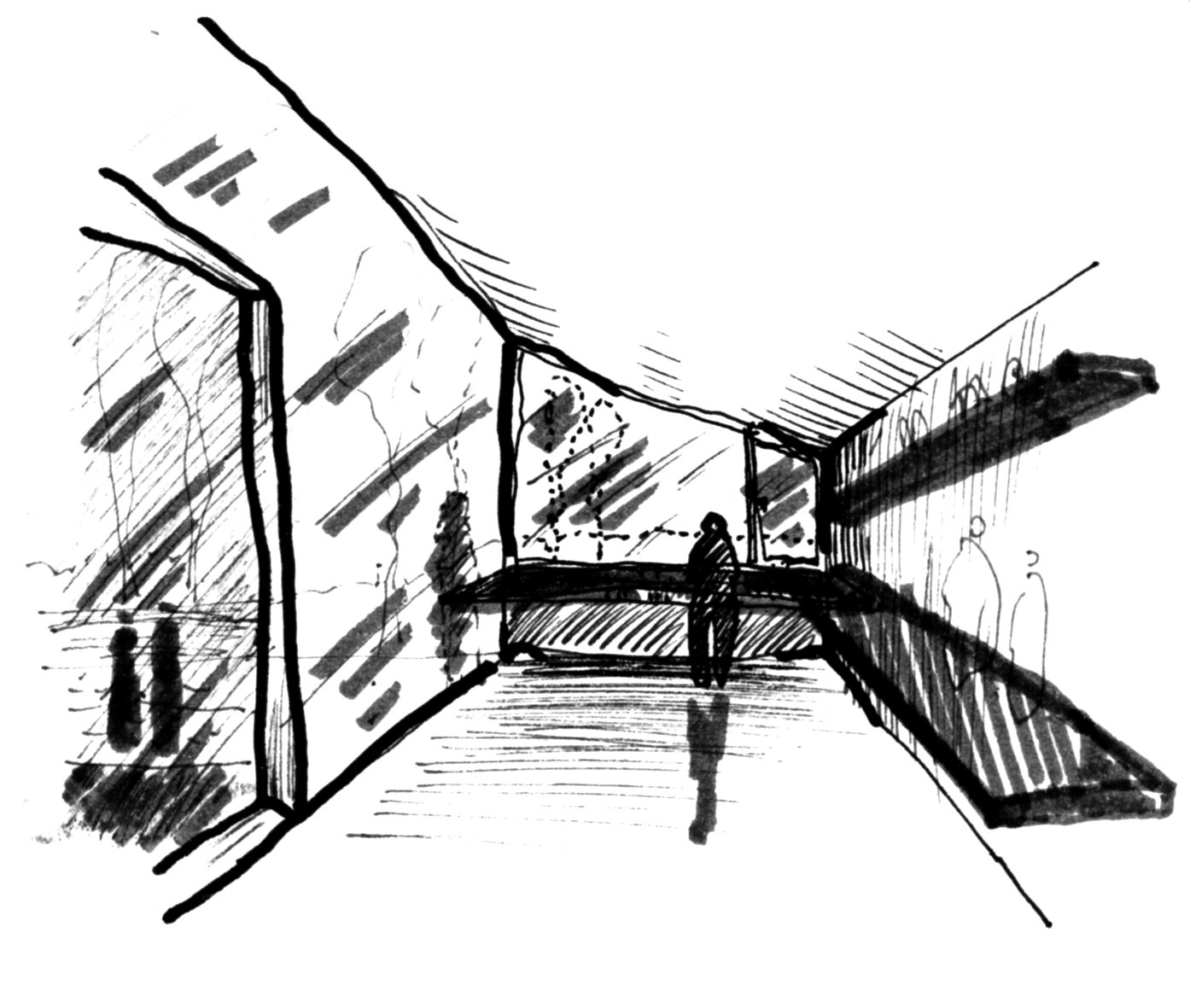
Marsh View Norfolk
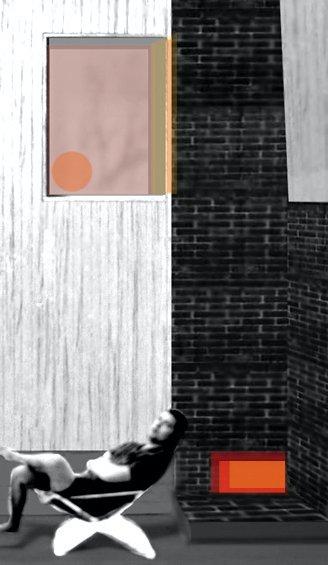
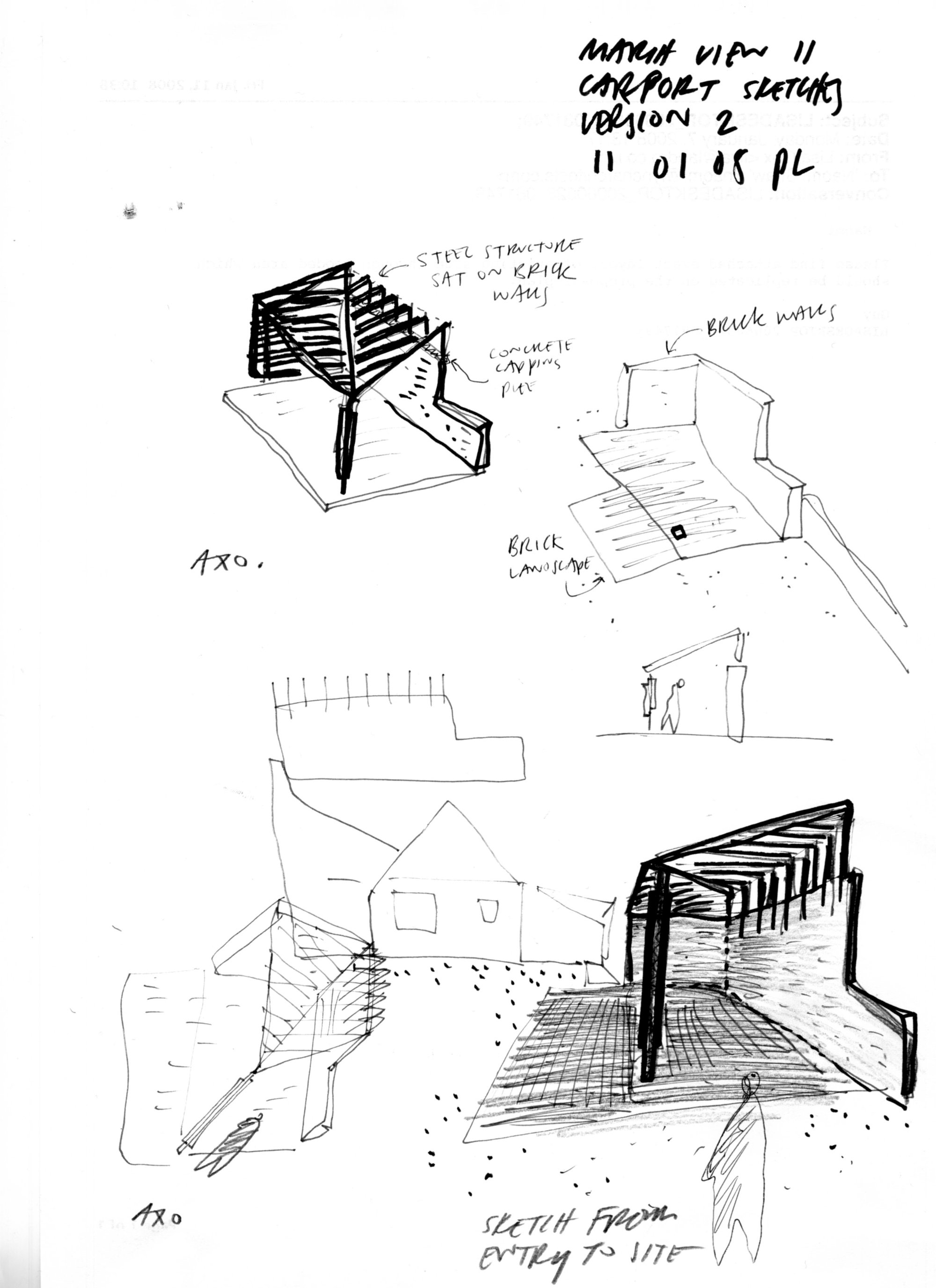
Marsh View is a holiday house located in an "area of outstanding natural beauty" on the North Norfolk coast, amongst fresh and saltwater marshlands. It sits at the end of a lane beside four 1950s bungalows in a small hamlet close to Burnham Market. The project occurred in two phases, 2001-3 when the main house was built for a textile artist; and then 2007-8, when the studio and car port were added and alterations made to the ground floor of the house. Widely published and exhibited across the world, and highly influential, Marsh View was described by The Observer's architecture critic Stephen Bayley, as "a masterpiece".


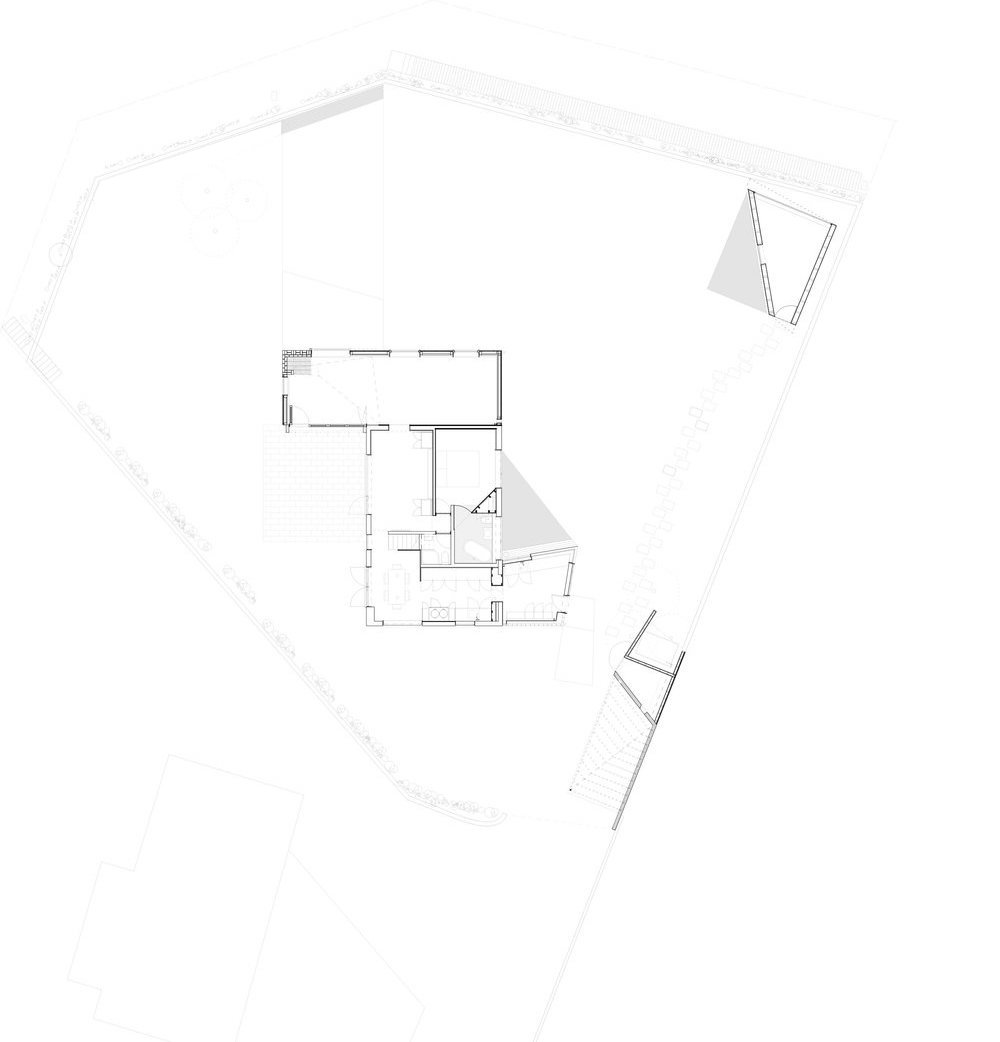


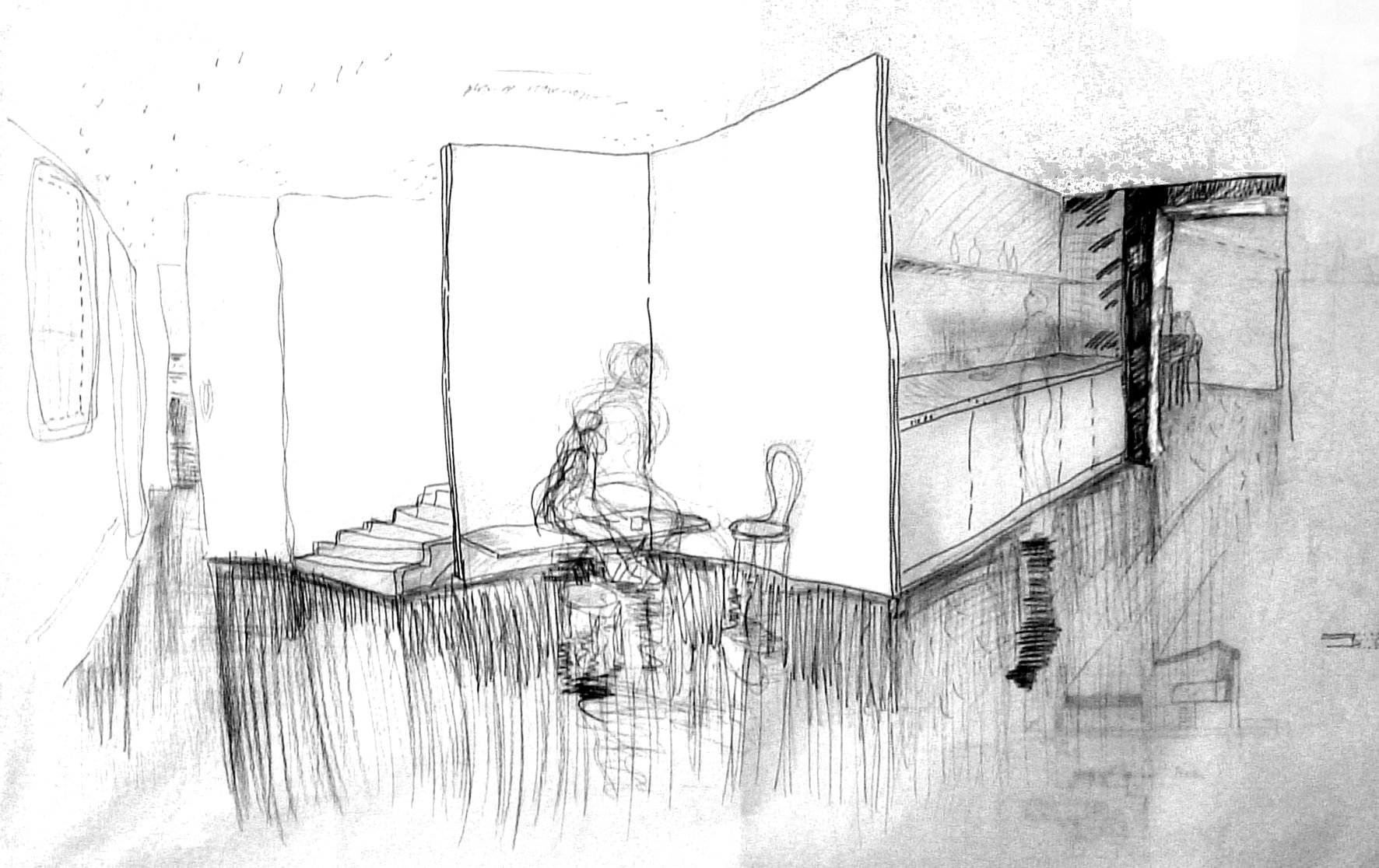
Construction of the house was very economic, consisting of a softwood frame built by hand on site, clad externally and internally with plywood to create a stiff shell-like form. This method enabled the creation of large, column-free interior volumes. The tall living room opens onto the marsh and a south-facing courtyard. In the summer, it is possible to open up the large sliding doors and thus to inhabit the house and the garden like a sort of extended camp.
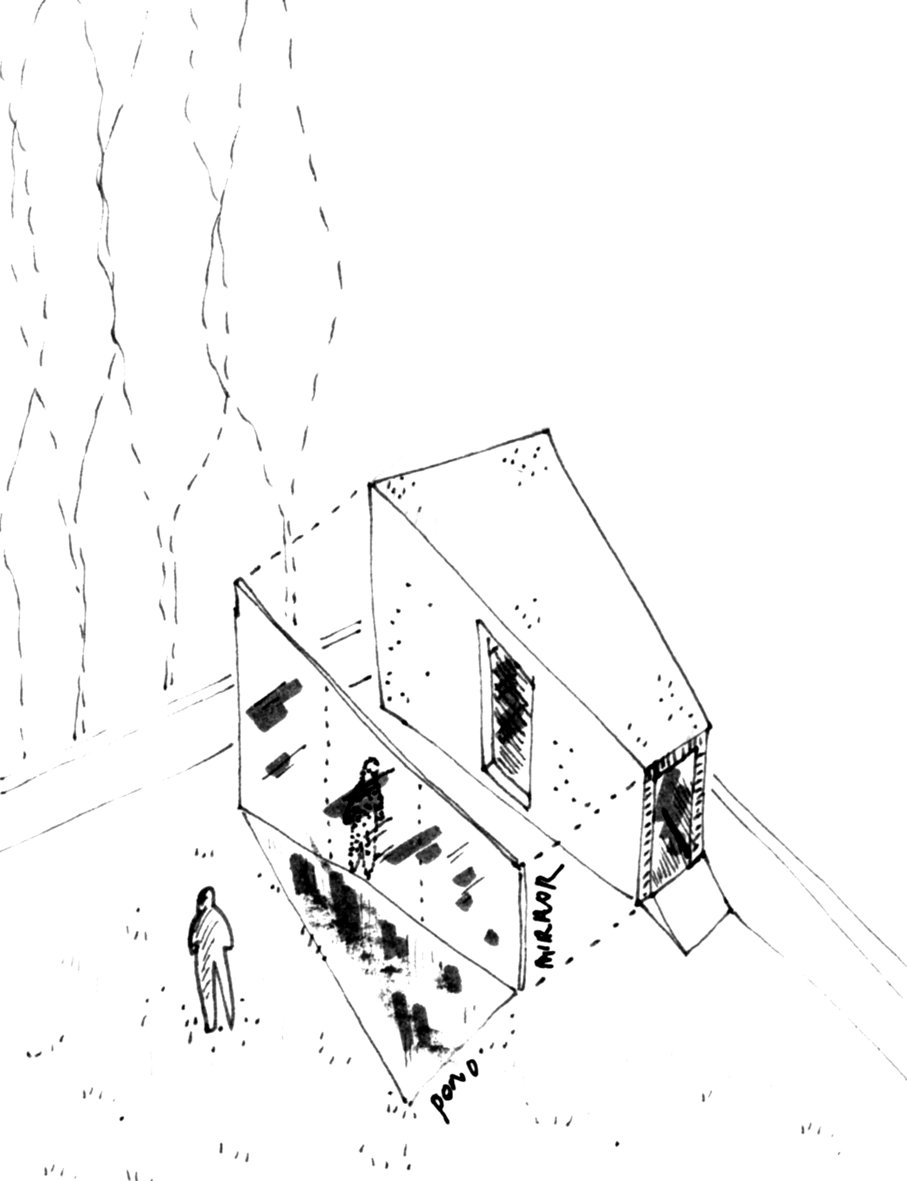
The construction of Marsh View entailed the demolition of a pattern-book 1950s bungalow, and its partial reconstruction within a new composition of fragments situated in the landscape. The original house took no account of its setting, has no windows facing the marsh (despite its name), and so our task was to give it a Marsh View.


Arguably, Marsh View fulfills many of the roles of traditional Roman and Renaissance villas: contemplation of and engagement with the natural world, space for reflection and play, and a grand yet broken composition that creates a sort of quasi-urbanity and autonomy in the landscape. This was the first project to gain Lynch Architects wide-spread critical acclaim, and Marsh View was exhibited at The Venice Biennale in 2008.